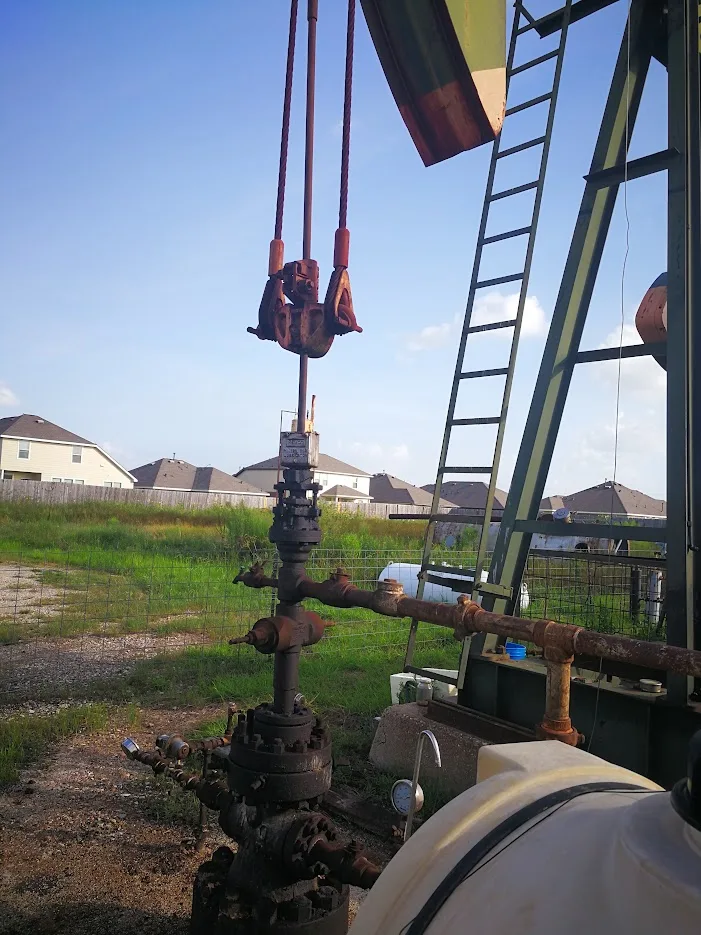
Wellhead pressure
Casing, tubing and flowline pressures on one battery-powered transmitter, with a local display for on-site verification and multi-year battery life.
CasingTubingFlowline
Casing pressure drifting, a tank filling fast, a plunger running late — your wells report in from the lease, and the alarm reaches your phone before the problem reaches the road.

Battery or solar instruments mounted at the point of measurement: casing and tubing pressure transducers, tank level sensors, plunger arrival switches, turbine pickup coils, thermocouples on the flare.
A license-free radio network carries readings across the lease — point-to-multipoint inside the pad, peer-to-peer between pads — encrypted end to end, with no conduit in the ground.
The console compares every reading against per-well thresholds and pushes graded alarms to phone, email or Telegram, with repeat suppression so one excursion means one notification.
Modbus RTU/TCP out of the gateway means your existing PLC, EFM or SCADA host polls the same data it always has — it just no longer needs a wire to each wellhead.
Every application below runs on the same instruments and the same console. Start with the one that hurts the most — the rest of the lease comes along almost for free.
Casing, tubing and flowline pressures on one battery-powered transmitter, with a local display for on-site verification and multi-year battery life.
Arrival detection and count on discrete inputs, open/close valve control through pulsed outputs, and afterflow rules tuned per well.
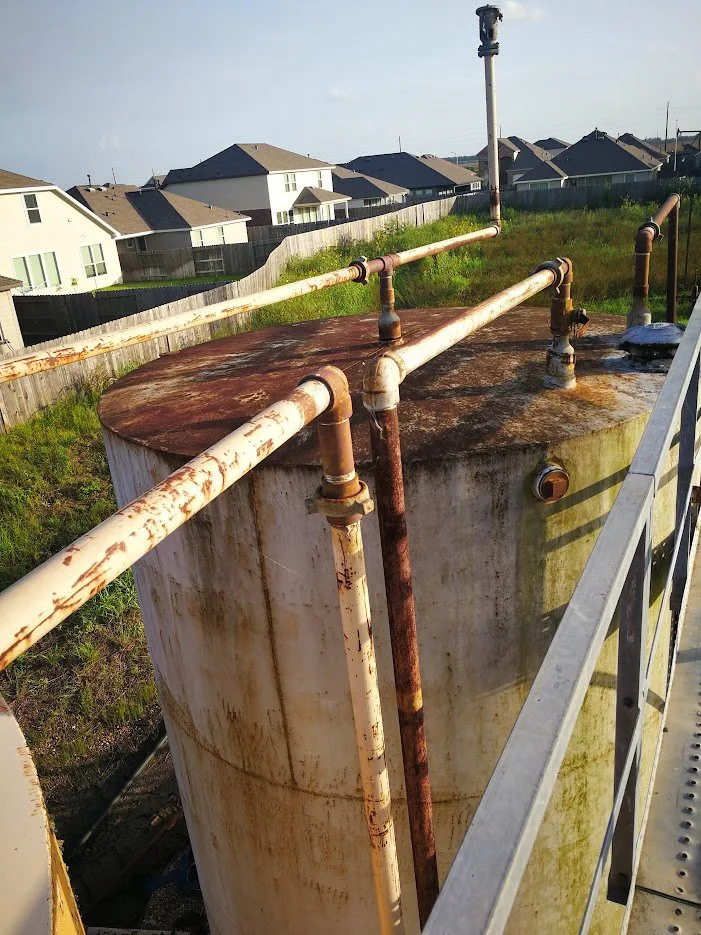
Product and interface level on every tank, high-level and thief-hatch alarms wired to a hard shutdown, and volumes rolled up into daily production numbers.
Peer-to-peer radio links let one point watch line pressure while another starts or stops the pump — no PLC cabling between the two ends.
Suction pressure interlocks, offload-bay levels, high-level shutdown valve and ESD push-button status — all reported to the same console as your producing wells.
Turbine pickup coils totalized at the wellhead and delivered over Modbus to your flow computer or EFM for daily allocation.
Pump runtime and tank level together, so a missed injection is an alarm instead of a corroded flowline you find next quarter.
Every well on the pad reports to one gateway, and pads daisy-chain peer-to-peer back to the central facility or straight onto cellular.
Thermocouple input tracks flare temperature continuously for compliance records and combustion sanity checks.
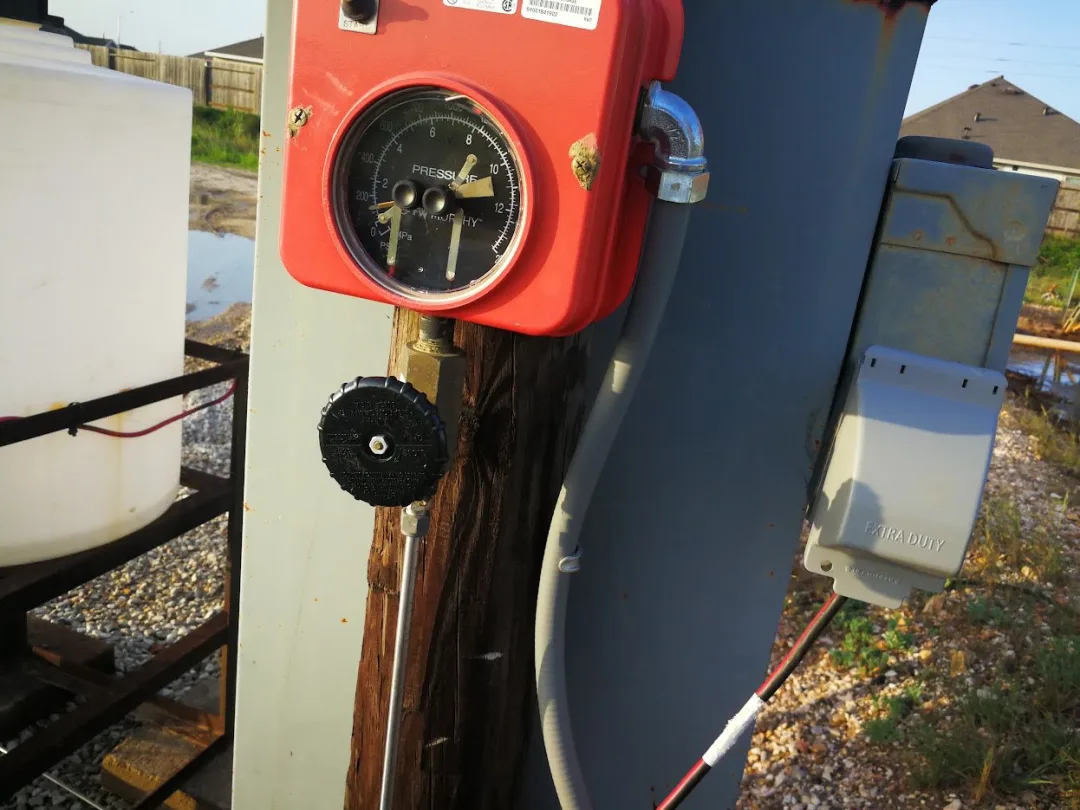
Multi-point rectifier and test-station readings prove protection levels across the gather system without a monthly truck roll.
Five layers, one system. Start with wellhead status and alarms, add diagnostics later — the data model is the same either way.
The base layer: every well reports its current state on a fixed cadence, with the raw signal preserved for audit.
For artificial-lift wells, we watch the pump instead of only the tank — the earliest useful signal that something is changing.
Thresholds that respect how a lease actually runs: delays, hysteresis, quiet hours and escalation.
Numbers your production and accounting teams can use directly, without a spreadsheet rebuild every month.
The platform behind the data: devices, gateways, users and access — hosted on dedicated cloud infrastructure.
However the well is instrumented today, there is a path to get it on the console.
| Scenario | Field hardware | Backhaul | Typical time to live |
|---|---|---|---|
| New well | Field RTU + sensors | 4G LTE / satellite | Same day |
| Retrofit | Gateway to existing instruments | 4G LTE | 1–2 days |
| Remote pad | Gateway + LoRa endpoints | Satellite | 2–5 days |
| Enterprise | Your SCADA as source | VPN / API pull | Project scoped |
Site data is reviewed by our team during onboarding: we map your well identifiers, counties, thresholds and shift patterns before the first alarm is sent.
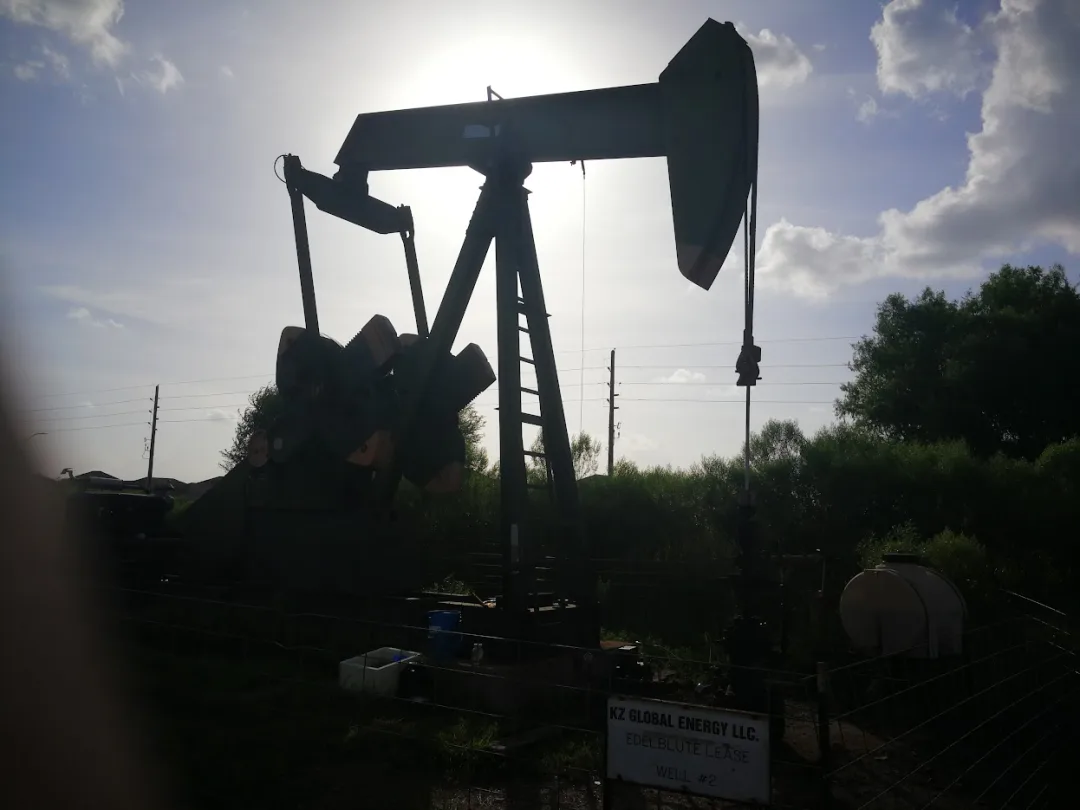
Send us a well count, a rough map and your worst recurring problem. We will come back with a radio path plan, an instrument list and a fixed price — usually within two business days.